
The Outbreak Is Real and It Is Enormous
As of August 27, 2026, the CDC counts 11,458 illnesses across 20 states in a multistate cyclospora outbreak, with 356 reported hospitalizations and two deaths, both in Michigan, both in people with underlying conditions. Illness onsets run from June 14 to August 15.
Those are the outbreak-linked cases. The background number is larger still: since May 1, CDC has logged 15,716 laboratory-confirmed domestically acquired cyclosporiasis cases, with roughly 11,841 more awaiting investigation. And the agency is explicit that the true total is higher than any of these, because cyclospora produces a long, miserable, self-limiting diarrhoeal illness that most people ride out without ever being tested.
For scale: national cyclosporiasis case counts were 537 in 2016 and 4,463 in 2023.
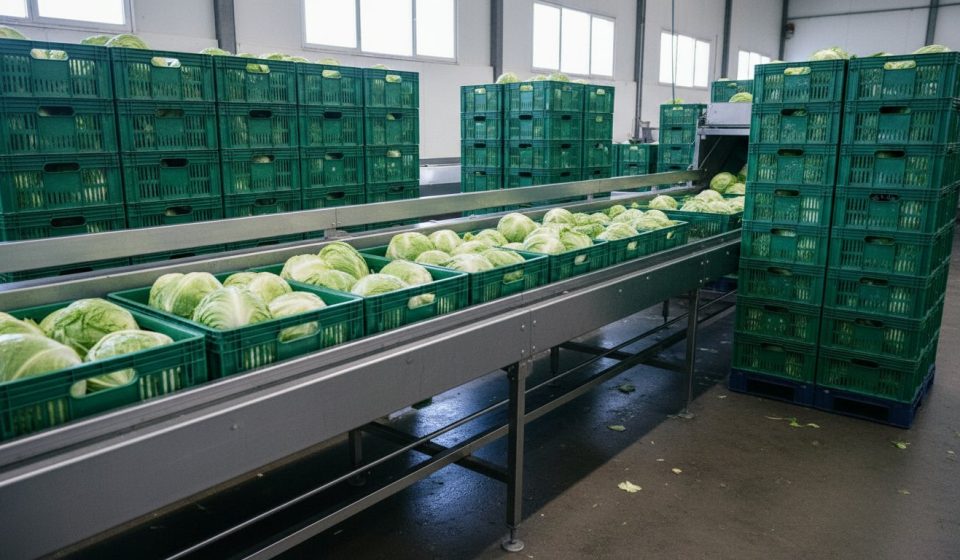
FDA has named processed iceberg lettuce from Taylor Farms de México, grown in central Mexico, as the most likely source. Ninety percent of interviewed patients reported eating iceberg lettuce. Taylor Farms de México pulled all central-Mexico iceberg from the US market on July 17; recalled Marketside-brand bags sold at Walmart carried best-if-used-by dates from July 18 to August 3 and reached 31 states. Taco Bell, which FDA traced to the same single supplier, removed fresh produce from restaurants in affected states on July 9.
Taylor Farms disputes responsibility. The company says its own testing found no parasitic contamination, points to $200 million invested in food safety against $7 billion in annual revenue, and says it has cooperated with regulators throughout. Government testing remains inconclusive — and that is not a dodge, it is the normal state of affairs. By the time a produce outbreak is identified, the implicated lettuce has been eaten or composted.
Two Things Are True at Once
The federal food-safety workforce has genuinely shrunk. FDA shed 3,859 positions in FY2025 and 473 more in FY2026. Its budget may fall from $7.2 billion to roughly $6.5 billion. FSIS lost 874 people in FY2025 and 39 in FY2026 — about 9% of its staff in the first wave. ProPublica’s analysis of FDA’s own inspections dashboard found foreign facility inspections dropped by nearly half in March 2025 and were running about 30% below prior-year levels through that July.
All of that is documented. None of it establishes that these cuts caused this outbreak, and anyone telling you otherwise is skipping a step.
Start with a distinction the coverage keeps blurring: FSIS does not regulate lettuce. It inspects meat, poultry and egg products. Leafy greens are FDA’s. Citing FSIS headcount in a lettuce story is a category error, however real those cuts are.
Then consider what an inspector actually does. Cyclospora contamination is not visible, and it is not reliably detectable in produce even in a laboratory with the sample in hand. A facility walkthrough does not find it. The 2019 peak year is instructive on the limits here: FDA completed 1,727 foreign inspections against a congressionally mandated target of 19,200 — nine percent — and a 2025 GAO report notes the agency has never once met that target, in any year, under any administration. This capacity was not adequate before it was cut.
Where the Cuts Actually Bite
The honest exposure is not inspection. It is detection and traceback speed, and there the connection is direct.
Consumer Reports notes that CDC funding reductions ended FoodNet tracking of cyclospora and seven other pathogens, and that FDA budget cuts may have degraded the laboratory capacity that foodborne investigations depend on. Surveillance is what turns scattered summer stomach bugs into a recognised outbreak with a named supplier. It is the least visible part of the system and the first thing to disappear when budgets tighten, because nobody notices a detection that never happens.
So here is the number to hold onto. First illness onset: June 14. Supplier recall: July 17. Thirty-three days. Cases kept accruing through August 15, a month after the recall — some of that reporting lag, some of it product already in circulation.
Note also that Taco Bell pulled produce on July 9, eight days before its supplier recalled anything. A restaurant chain acting on its own customer-complaint data moved faster than the regulatory traceback did.
None of this is new for this commodity. A 2013 FDA inspection of the same central-Mexico operation documented recycled wash water and inadequate hand-washing facilities. Cyclospora has a defined season — roughly May 1 to August 31 — and a well-established association with imported fresh produce. This is a recurring, seasonal, structurally predictable hazard, which makes the traceback clock the thing that determines how many people get sick.
What to Watch
- Whether FoodNet cyclospora surveillance is restored. It is a line item, it is cheap relative to an 11,000-case outbreak, and it is the single most direct link between budget decisions and how fast the next one is caught.
- FSMA 204 traceability. The rule requiring detailed lot-level records for leafy greens and other high-risk foods is the mechanism that would compress those 33 days. Its compliance timeline has already been pushed; whether it slips again is the real policy fight.
- Days from onset to recall, next time. Not inspector headcount. This outbreak will recur next summer in some form, and that interval is the only honest scoreboard.
If you buy imported leafy greens at any commercial scale, the operational lesson is unsentimental: the federal system will not tell you about a problem for roughly a month. Taco Bell’s complaint data beat the recall by eight days. Your own returns and complaint telemetry is a faster sensor than the regulator, and it is the one you actually control.
Get the weekly briefing
One email a week on AI, infrastructure, policy and the supply chains underneath them. Free, and you can unsubscribe any time.